From Digestion to Motion – We Heal with Precision !!

Pancreatic Stone

Relief from Stones, Return to Wellness

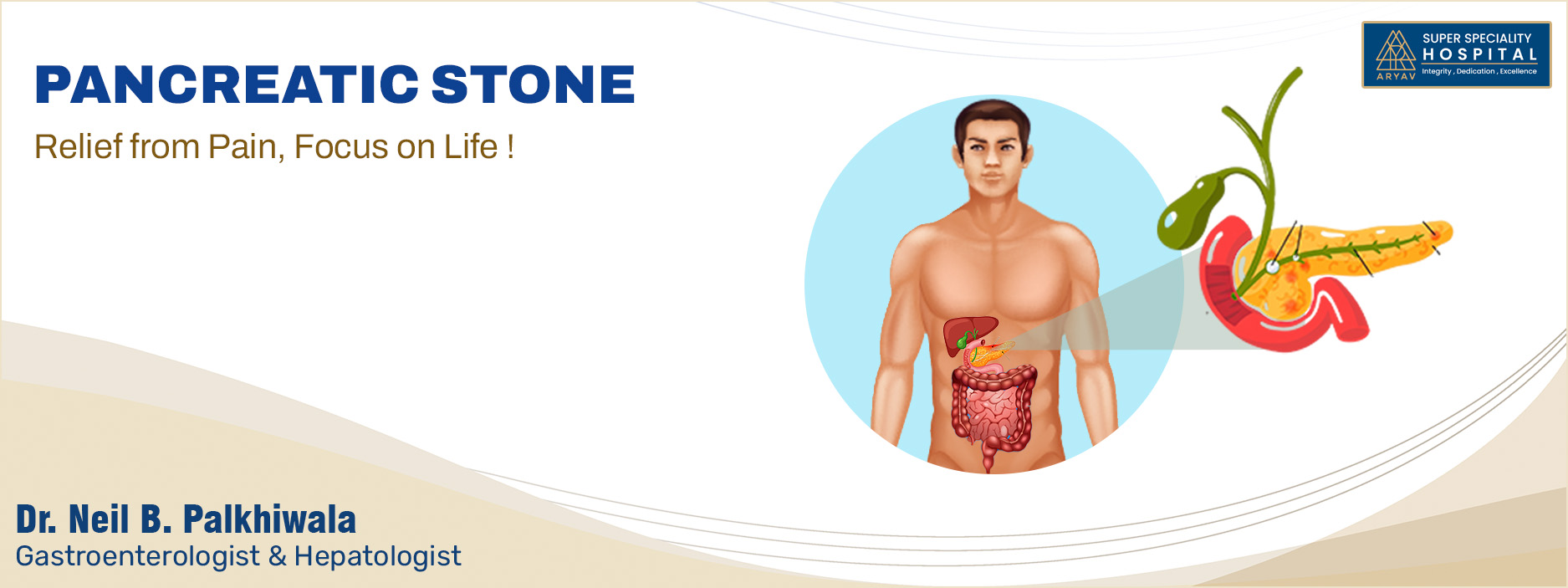
What Are Pancreatic Stones?

Pancreatic stones are hard deposits that form inside the pancreas, usually as a complication of chronic pancreatitis (long-term inflammation of the pancreas). These stones block the pancreatic ducts, preventing digestive juices from flowing into the intestine. This leads to severe abdominal pain, indigestion, and other digestive issues if left untreated.

Symptoms of Pancreatitis Stone:

Causes & Risk Factors

Diagnosis of Pancreatic Stones

Pancreatic stones can be detected using:

Treatment Options for Pancreatic Stones

1. Endoscopic Treatment (ERCP)

2. Lithotripsy (Stone Fragmentation)

3. Surgery (for large or complicated stones)

4. Lifestyle & Medical Management

Dr. Neil Palkhiwala – Pancreatic Stone Specialist in Ahmedabad

Dr. Neil Palkhiwala provides expert care in the management of pancreatic duct stones. With advanced endoscopic techniques like ERCP and EUS, he ensures precise diagnosis, effective stone removal, and long-term relief from painful symptoms, helping patients prevent complications and restore digestive health.
Make an appointment for your Pancreatic Stone care with Dr. Neil Palkhiwala, the director and head of Aryav SuperSpeciality Hospital in Ahmedabad. To schedule an appointment or ask queries, give us a call at +91 91069 95254.

Which doctor to consult for pancreatic stones?
You should consult a gastroenterologist or a pancreatic specialist for pancreatic stones. Experts like Dr. Neil Palkhiwala diagnose and manage the condition using advanced imaging and endoscopic techniques.
Yes, pancreatic stones can be serious if left untreated. They may block the pancreatic duct, causing pain, inflammation, and digestive issues. Early diagnosis and timely treatment are essential to prevent complications.
Pancreatic stones can be removed through endoscopic retrograde cholangiopancreatography (ERCP), a minimally invasive procedure. In some cases, medications or surgery may be required depending on the size and location of the stones.
Diagnosis is done through imaging tests such as ultrasound, CT scan, MRI, or endoscopic ultrasound (EUS). These tests help identify the presence, size, and position of the stones for effective treatment planning.