From Digestion to Motion – We Heal with Precision !!

Pancreatic Cancer

Advanced Endoscopy and Oncology for Pancreatic Cancer

What is Pancreatic Cancer?

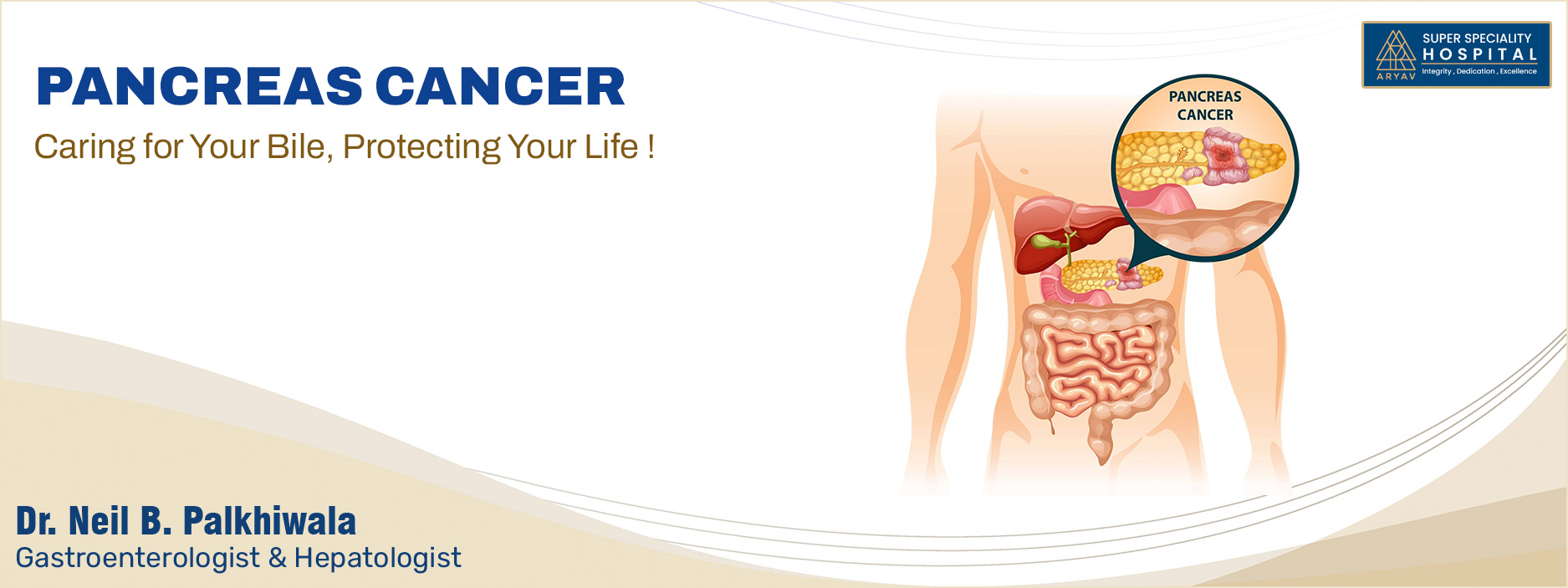
Pancreatic cancer develops in the tissues of the pancreas—an organ located behind the stomach that plays a vital role in digestion and blood sugar control. Most cases begin in the ducts that carry digestive enzymes, while some arise from hormone-producing cells, known as pancreatic neuroendocrine tumors.

Symptoms of Pancreatic Cancer

Causes & Risk Factors of Pancreatic Cancer

Genetic & Family History

Chronic Health Conditions

Lifestyle Factors

Age & Gender

Diagnosis of Pancreatic Cancer

Pancreatic cancer is often difficult to detect early as symptoms appear late. A combination of tests and procedures is used to confirm diagnosis:

Medical Evaluation

Blood Tests

Imaging Tests

Endoscopic Procedures

Dr. Neil Palkhiwala – Pancreatic Cancer Specialist in Ahmedabad

Dr. Neil Palkhiwala is an experienced specialist in the diagnosis and treatment of pancreatic cancer. Using advanced techniques such as Endoscopic Ultrasound (EUS) and ERCP, he provides accurate diagnosis, personalized treatment, and effective management of cancer-related complications. His patient-focused approach ensures early detection, improved quality of life, and better long-term outcomes.
Make an appointment for your Pancreatic Cancer care with Dr. Neil Palkhiwala, the director and head of Aryav SuperSpeciality Hospital in Ahmedabad. To schedule an appointment or ask queries, give us a call at +91 91069 95254.
Which doctor is best for pancreatic cancer?
A gastroenterologist or oncologist specializing in pancreatic diseases is best for pancreatic cancer. In Ahmedabad, Dr. Neil Palkhiwala provides expert diagnosis and treatment using advanced endoscopic and therapeutic techniques.
Pancreatic cancer is diagnosed through imaging tests such as CT scan, MRI, endoscopic ultrasound (EUS), and biopsy. These help determine the tumor’s size, location, and stage for accurate treatment planning.
Early signs may include abdominal pain, jaundice, loss of appetite, unexplained weight loss, and fatigue. Since symptoms often appear late, early screening is essential for high-risk individuals.
Treatment options depend on the cancer’s stage and may include surgery, chemotherapy, radiation, or endoscopic procedures. A multidisciplinary approach helps improve outcomes and quality of life.
If detected early, pancreatic cancer can sometimes be treated successfully with surgery and targeted therapies. However, ongoing management and follow-ups are vital to control progression and support recovery.